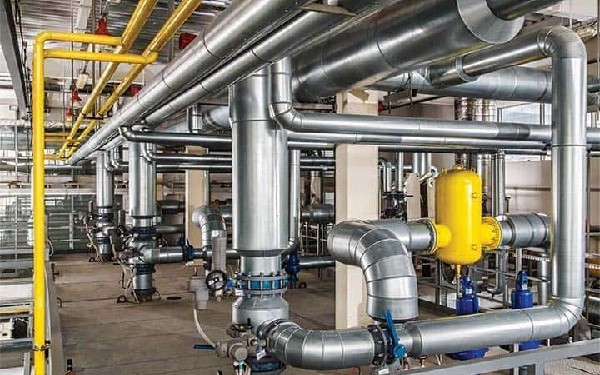
A piping system is an interconnected network of pipes, fittings, valves, and supports designed to transport fluids, gases, or slurries from one location to another. Acting as the arteries of industrial and commercial facilities, they manage precise pressures, temperatures, and flow rates for safe and efficient operations.
Key Components
Every piping system relies on a combination of essential hardware to control and secure the flow:
Pipes: The primary hollow tubes used to convey the fluid or gas, typically made of carbon steel, stainless steel, copper, or PVC.
Fittings: Connectors like elbows, tees, and reducers that alter the direction, size, or branching of the pipeline.
Flanges & Gaskets: Flanges bolt pipe sections together to allow for easy inspection, while gaskets create a tight seal between the flanges to prevent leaks.
Valves: Mechanical devices such as gate, ball, or butterfly valves used to start, stop, or throttle the flow of material.
Supports & Hangers: Structures that anchor the piping to walls, floors, or ceilings to bear the weight and accommodate thermal expansion.